Energy saving audits
Find the filter changes that cut fan energy.
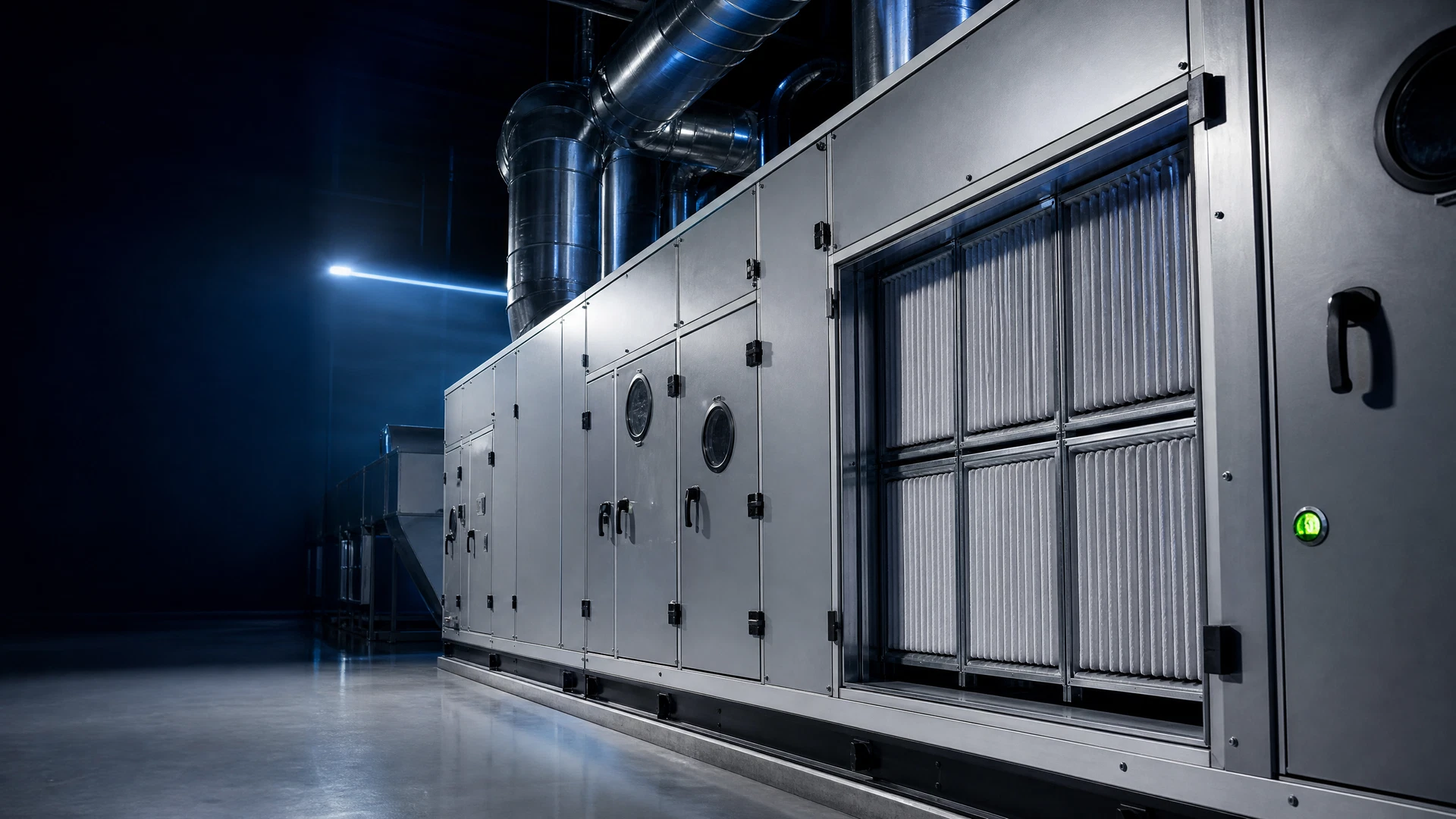
An energy-saving audit reviews the filters and resistance across your systems to identify where lower-resistance grades can reduce fan energy and cost.
Fan energy
reduction focus
Resistance
measured
Grades
energy-saving options
Payback
clear case
Efficiency you can measure
Lower resistance can mean meaningful energy savings
Filters account for a large share of the resistance a fan works against. Selecting energy-saving grades and changing on time can reduce running cost.
Measured resistance
Baseline pressure drop across stages.
Efficient grades
Identify low-resistance filter options.
Running cost
Estimate the impact on fan energy.
Clear case
A practical recommendation and payback.
What it covers
Audit scope
- Current filter grades and resistance
- System duty and airflow
- Energy-saving grade options
- Change-frequency review
- Estimated energy impact
- Recommendations and payback
Why it matters
Lower resistance can mean meaningful energy savings
Filters account for a large share of the resistance a fan works against. Selecting energy-saving grades and changing on time can reduce running cost.
Common questions
Useful answers before you get in touch
Filters account for a large share of the resistance a fan works against. Higher resistance means the fan uses more energy, so choosing energy-saving grades and changing on time can reduce running cost.
Technical help without the hard sell
Request an energy saving audit
Tell Maxi about your systems and we will review where filter changes could cut energy.